New Release!
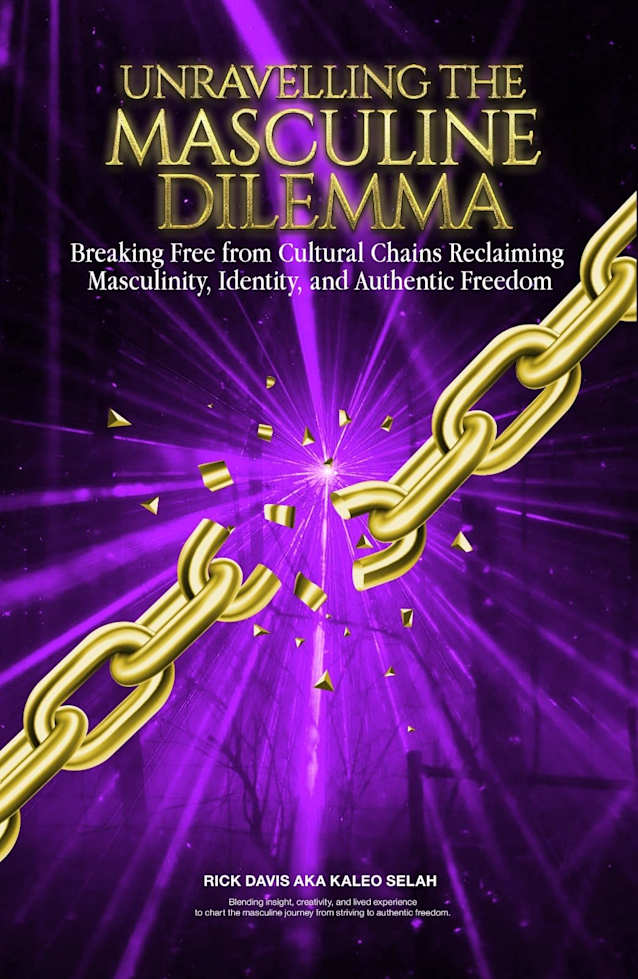
Unravelling the Masculine Dilemma by Kaleo Selah
or
Learn More
Rating: ★★★★★ (5/5)
"A sincere and profound book."
I picked this up because I've been carrying a quiet weight for years, achievement, pressure, and the sense that something was missing. The goldfish analogy hit hard, and the distinction between the Institutionalised Man and the Authentic Man made me reflect deeply. It's not an easy read, but it's a necessary one. If you're a man who's felt trapped by expectations, this book offers a real path forward.
Rating: ★★★★★ (5/5)
"Good book to start exploring men's studies"
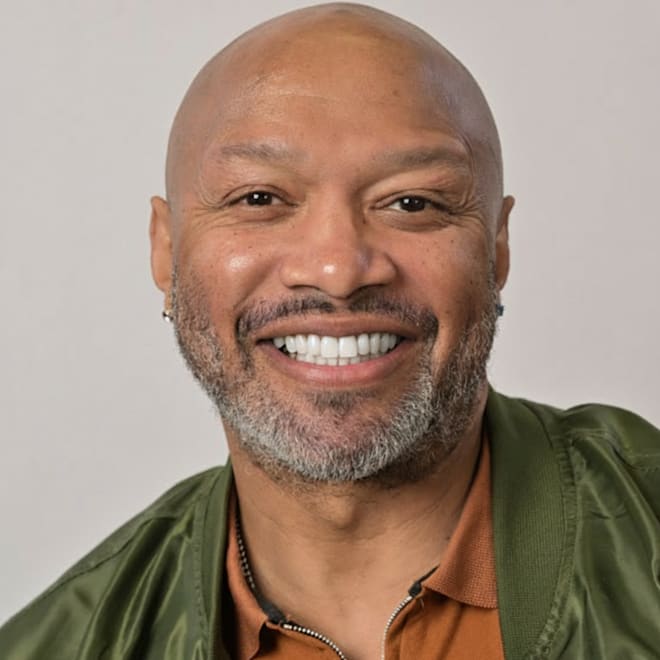
Rick Davis (writing as Kaleo Selah) delivers a powerful, eye-opening critique of modern manhood in Unravelling the Masculine Dilemma. Grounded in his personal experience with severe corporate burnout, the author masterfully defines the hidden psychological crisis men face today: a toxic cycle of chasing external validation through wealth and status to mask deep-seated, unprocessed trauma. By breaking down how societal programming forces boys into a relentless "comparison-and-competition economy," this book serves as both a compassionate wake-up call and a vital roadmap for healing. It is an absolute must-read for any man feeling overwhelmed by the endless pressure to achieve, as well as for anyone looking to understand the emotional complexities of the men in their lives.
Rating: ★★★★★ (5/5)
Unravelling the Masculine Dilemma offers a much deeper discussion of masculinity than I expected. The author’s explanation of the “comparison-and-competition economy” really stood out to me, particularly the idea that men can spend years chasing money, status, recognition, and achievement without stopping to ask whether those things actually reflect what they want. I also appreciated that the author connects this behaviour to deeper conditioning and unprocessed experiences rather than treating it as simply a matter of poor choices. The book challenges you to look at what is really driving your ambitions and whether you’re living intentionally or simply responding to expectations.
One of the strongest parts of the book for me was the author’s willingness to use his own experience to explain the ideas. His account of moving away from decisions based mainly on financial return and social status gives a real-life dimension to the argument about reclaiming yourself. I also found it refreshing that he doesn’t pretend the process is finished. His admission that perfectionism, anxiety, and his old competitive instincts still surface makes the message feel much more honest. It presents personal growth as something you continually practise rather than something you achieve once and move beyond.
The distinction between internal and external goals was probably the concept that made me think the most. The book isn’t necessarily telling men to abandon ambition, money, or achievement; instead, it asks them to examine why they are pursuing those things in the first place. There is a big difference between working toward something because it genuinely matters to you and doing it because you need recognition or comparison to feel successful. That distinction makes the book’s argument much more nuanced than a simple criticism of traditional masculinity.
I found the idea of living on “autopilot” particularly relatable and thought-provoking. The author describes the Masculine Dilemma as a response to societal programming and unprocessed trauma, where comparison, competition, and external achievement can become habitual ways of navigating life. What I liked is that the book doesn’t leave the reader at the point of identifying the problem. It repeatedly brings the discussion back to self-awareness, radical honesty, personal responsibility, and consciously choosing a different direction. That makes the book feel more like an invitation to examine your life than simply a criticism of society.
The discussion about disappointment and failure gave the book another interesting dimension. Instead of treating failure as something that damages a man’s worth, the author suggests learning to “make friends” with it and use those experiences to build resilience and inner capacity. I also liked the broader idea of “investment and inheritance”—that what we invest our attention, energy, and resources in becomes part of the foundation we eventually pass on. That shifts the conversation away from simply asking what a man achieves and toward asking what kind of person and legacy he is actually creating.